Owen Jones (I believe, although I have tried to find the exact post that I saw a few months ago now but we all know what trying to find a post that we once saw on a social network is like … anyway, this one has broadly similar sentiments) once expressed something along the lines of: where we go from here? We don’t just move on from over two years of brutal genocide live-streamed into our homes and handheld devices, committed with impunity and facilitated at every stage by our Western governments, and continue believing in the ideas of International Law and a Rules Based Order that have been repeatedly and systematically exposed as meaningless pretences or outright shams. There’s no going back to normal after that.
For myself and many others, that’s definitely true politically – although it’s important to recognise that there does finally seem to be some hope in the form of an energising new leader for the Green Party, the prospect of an entirely new progressive party led by the brilliant Zarah Sultana and The Prime Minister We Could Have Had, Jeremy Corbyn, and the election of an openly, proudly socialist, Muslim, immigrant Mayor of New York in Zohran Mamdani.
Far less importantly, and in a tenuous tangential link to current affairs worthy of BBC Points West, it’s also proving to be true for me in terms of my approach to Photography in the final part of this year.
Apologies to those of you reading this to whom this feels like that frustrated anticipation from the build up to a playground dust up that’s been brewing over the course of several lessons, days, weeks or even an entire term before gleeful cheers of «fight!» begin ringing out to all ends of the school site like beacons set alight on distant hillsides … only for the Deputy Head to arrive and break things up just as that one solid (at room temperature) kid had got the other in a headlock.
The rest of this post is essentially the boring whole school assembly with the Senior Leadership Team and the Chair of the Board of Governors the following Monday.
Where were we? «Who am I? Where am I going?»
Having finally put two and two together and realised I could use my camera to make photographs at the protests I was attending, this (admittedly very low-level) documentation of these protests felt more significant than merely making pictures, as the pictures were showing something worthwhile, worth sharing and worth remembering.
In quite stark contrast was the feeling I then derived from the other photographs I have made throughout the second half of this year. These didn’t seem to matter at all. I’m aware of the value of creating art for art’s sake but there really didn’t seem to be much to be said for any of them beyond that … and in some cases this too felt excessively generous.
Upon opening Lightroom to prepare some images with which to furnish these ramblings, I even realised that I’d hardly even taken the time to process most of them, such was the degree of apathy I felt towards them.
In the great traditions of French Philosophy, I’ve realised what the actual point at hand is part way through an already extensive and largely purposeless ramble through the theoretical overgrowth around the thorny issue, but it would be disrespectful of the work of Barthes and others like him for me to go back and edit this text into something coherent at this juncture. No, the only way to honour these great minds is to continue to work things out as I go, elevating these words to far more than just a waste of my own time, but a waste of the reader’s time as well.
As I processed the images with a healthy level of detachment derived from the passing of several months in many cases, I came to realise that the problem probably lies more in a lack of real intention with any of the photographs. Rather than a more profound struggle to produce anything meaningful, I simply hadn’t struggled or really even tried at all beyond the bare minimum of effort in taking my camera with me on an evening stroll. There was nothing deliberate or intentional in my approach to any of the photographs – neither the subject, nor location, nor time of day slash year had been given any real thought.
There wasn’t a real reason for making any of the photographs, a real interest in what most of them represented nor anything I particularly wanted to show anyone. Put in those terms, it seems fairly clear why there wasn’t a lot of meaning attached to them for me, let alone for anyone I imagined looking at them.
I’ve faced something similar before. After concluding two parallel projects that I focussed on for several months in 2019, I also struggled to find a new focus for my photography. In that ensuing time, I also found myself extensively, repeatedly and obsessively overthinking whether to photograph in Colour or Black and White, and in a sense I have shown myself as condemned to repeat history here as well.
Having noted that Black and White might well be my more natural form of photographic expression, there were two entirely equally valid, sensible and reasonable paths available … embrace the medium in which I appear to face the fewest obstacles towards creating work that matches my intentions and desires … or recognise that this is clearly far too easy, and that I should strive to better myself in the medium that seems to fit less naturally. As I said, both options are equally valid and entirely sensible and reasonable responses to such realisations – take it from me, a perennially dissatisfied and unfulfilled (really just a sensitive) artist.
But there are more revelations. Chilling, shocking revelations. Black and White holes and Revelations. I believe that some of the reason for Black and White seeming to be a more natural means of creative expression for me came from the fact that when engaging with photography at a very casual level, without a lot of intention, as I have done outside of protests (where I was photographing in Colour from the outset and with no consideration for Black and White) throughout the last six months, a Black and White photograph immediately offers a more arresting and surreal image as it presents the reality around us stripped of the colour with which we normally perceive it.
Add this to the fact that I like my Black and White images with a level of contrast that reflects the name of the medium, Black and White, rather than what it’s called when you take the colour out of an image in Photoshop – namely Greyscale, and this striking, arresting and visually interesting effect is compounded. Presenting the world in Black and White is a creative choice – a simple one perhaps, a valid one certainly. DeviantArt Historians unanimously agree on this.
As well as being a creative choice with one’s Photography, I have always felt that Colour and Black & White require different approaches to one’s subjects and different sensibilities to light rather than simply being two means of photographically rendering the exact same scenes. When photographing with a view to creating Black and White pictures, I approach things differently and appreciate different things to when photographing with Colour in mind. When processing those photographs later, imposing the alternative rendering on the pictures rarely. appears satisfactory, at least not immediately, and more widespread indecision between the two ways of seeing and presenting the world has led me to longer periods of dissatisfaction with my photographic output … such as this one.
For a long time, Black and White was the only option available for Photography. The invention of Colour film made this a choice, but at that time, there wasn’t necessarily a default option – the camera remained empty until the photographer chose one or the other. An argument can be made that initially, Black and White was the default option, certainly for what was considered serious or artistic Photography … Photography with a capital P. Colour would come to establish itself as the default for most everyday photography in the vernacular contexts, as well as in advertising, commercial, and editorial, before eventually even the twin bastions of photojournalism and documentary photography would fall. In the age of digital, Colour has effectively become the default option – both in terms of what’s generally selected by default (although monochrome modes or filters are usually available with menus) and the RAW file itself usually (with the exception of a handful of dedicated monochrome cameras) being created as a colour file even if a monochrome effect is applied.
Even I zoned out and forgot why I was writing the above paragraph, but it was intended to contextualise the idea that while Colour photography is, like Black and White, a creative choice – the notion of choice feels less present in an age in which Colour has in effect become the default, in addition to being most proximal to the way in which our eyes and brain (generally … shout out to all the colour blind people reading this … who are statistically likely to be less than one given how small my readership is but never mind) interpret the world around us.
As such, meeting the burden of creative proof with Colour Photography can seem more demanding – the subject, light and colour at work within the photographic frame needing to be more compelling in some way so as to compensate for Black and White’s instant ability to identify to the viewer that they’re looking at something out of the ordinary, or perhaps the ordinary made somehow extra, like Howard from the Halifax. It is this making of the ordinary into something somehow extra that is more difficult to achieve with Colour Photography precisely because colour is naturally associated with ordinary.
Apparently what I decided to do this summer was to practice my favourite Walt Whitman (and I promise I’m not subtly trying to flirt with outing myself as a major meth manufacturer here) quote:
«For all is useless without that which you may guess at many times and not hit»
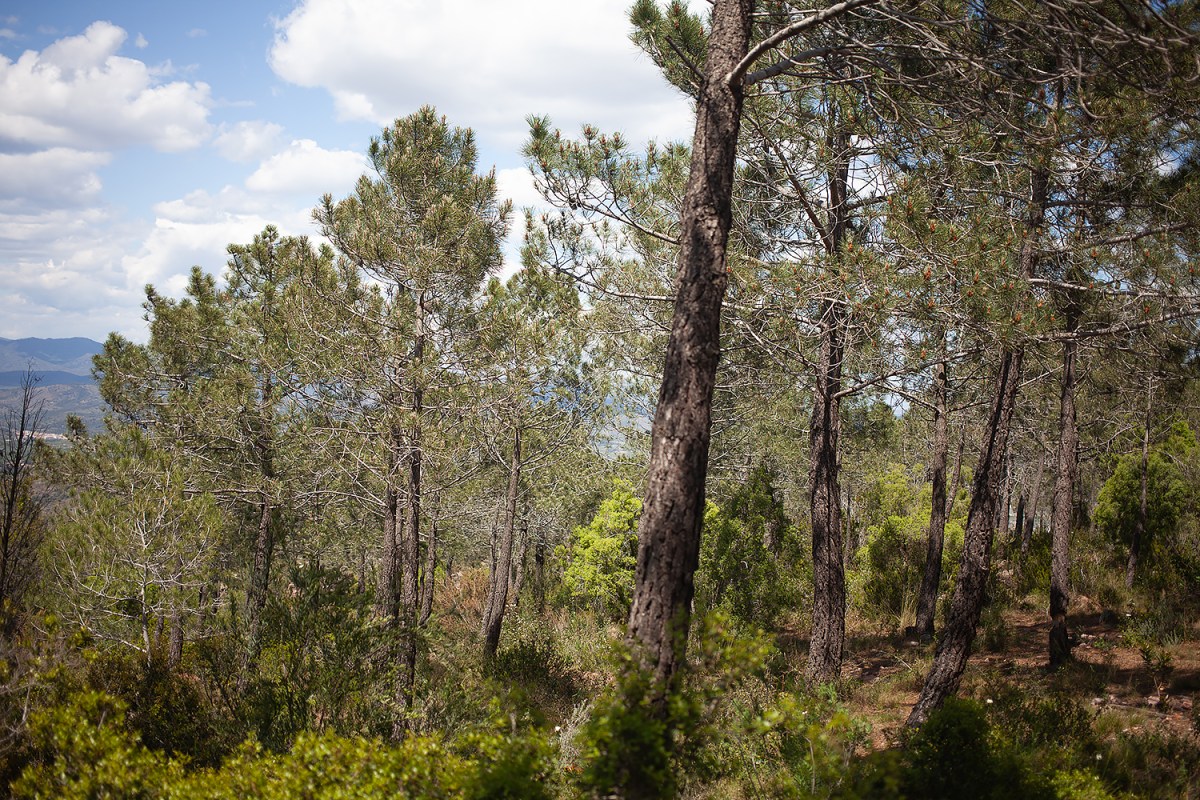
Having just quoted from Leaves of Grass, and because I can’t be the only one struggling to see the wood for the trees after stumbling around the periphery of The Democratic Forest, it’s probably time to start tying this up to a point where anyone still reading this can see some photographs, here are some of what might be described as hits (though probably not greatest hits) rather than misses … featuring foliage for … reasons.


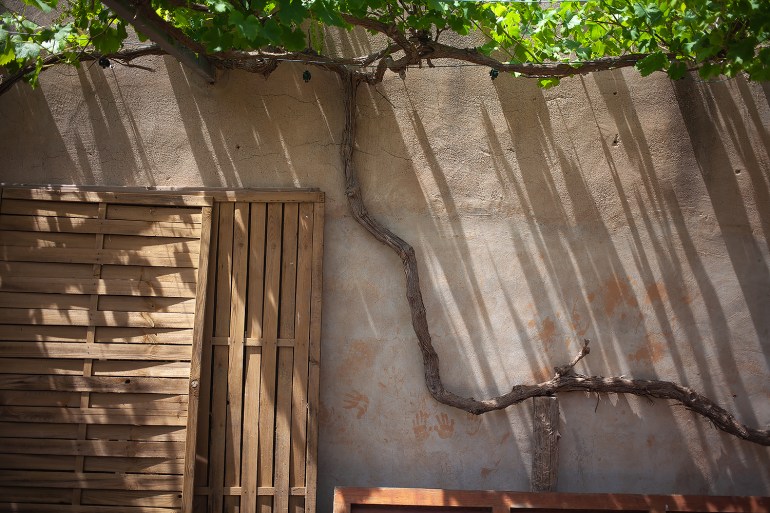
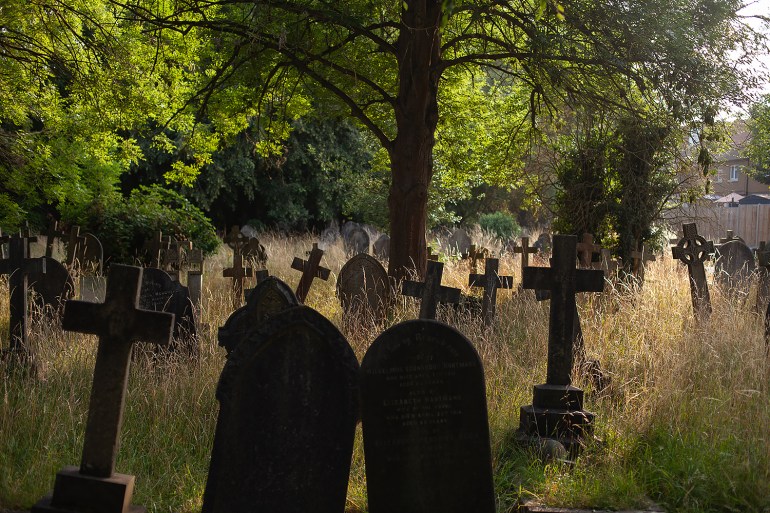

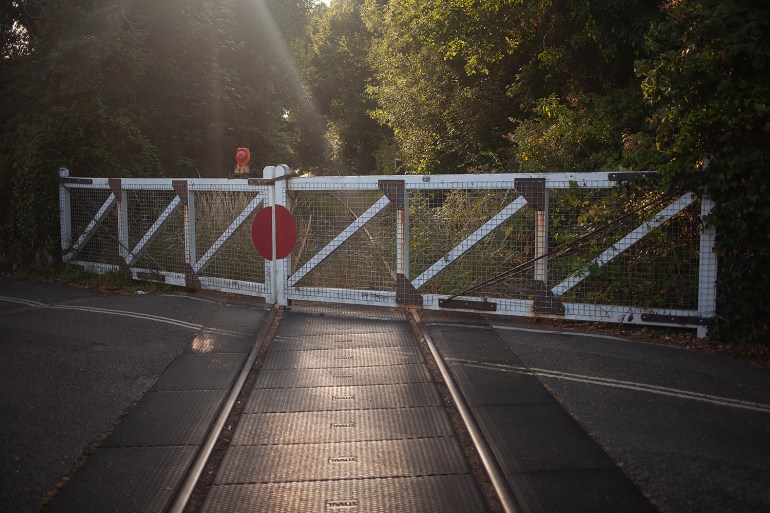


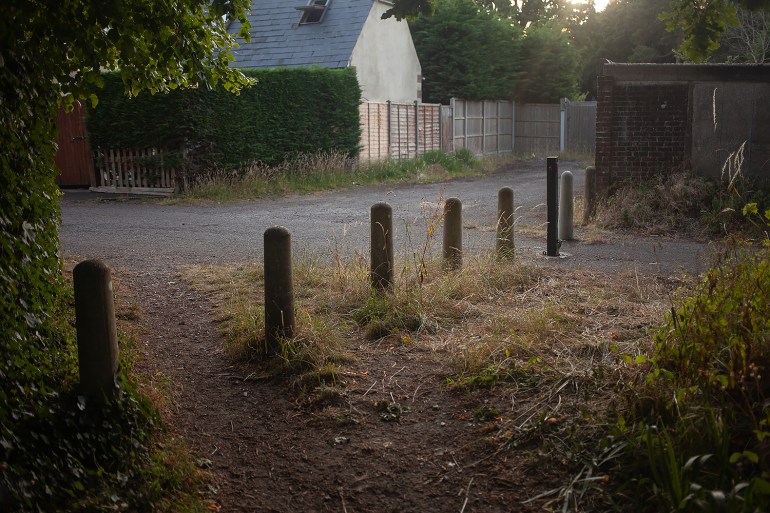


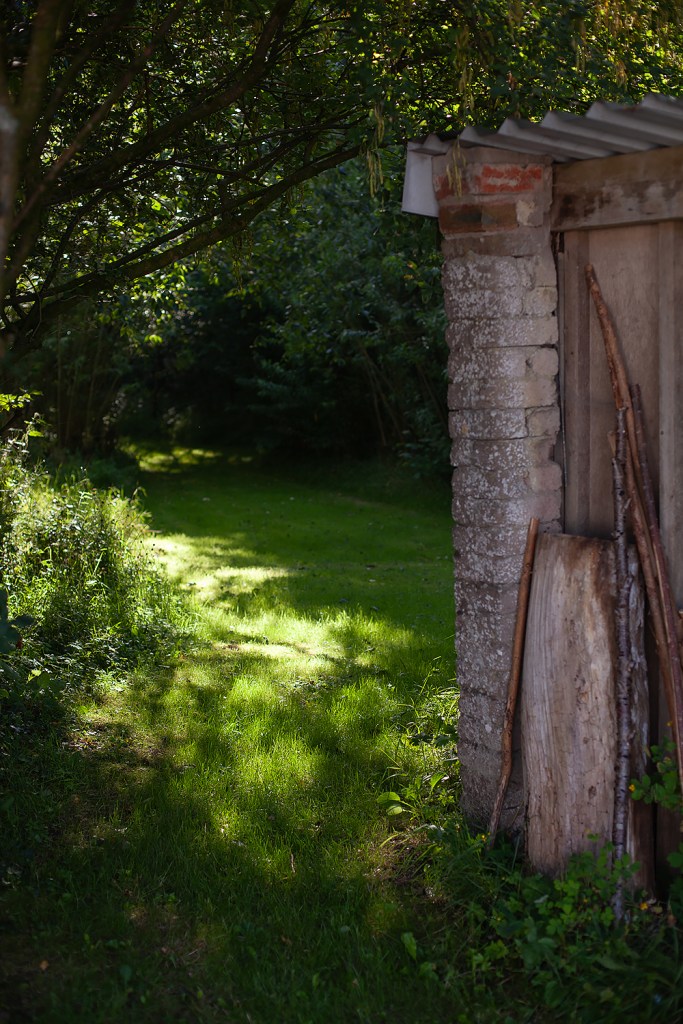
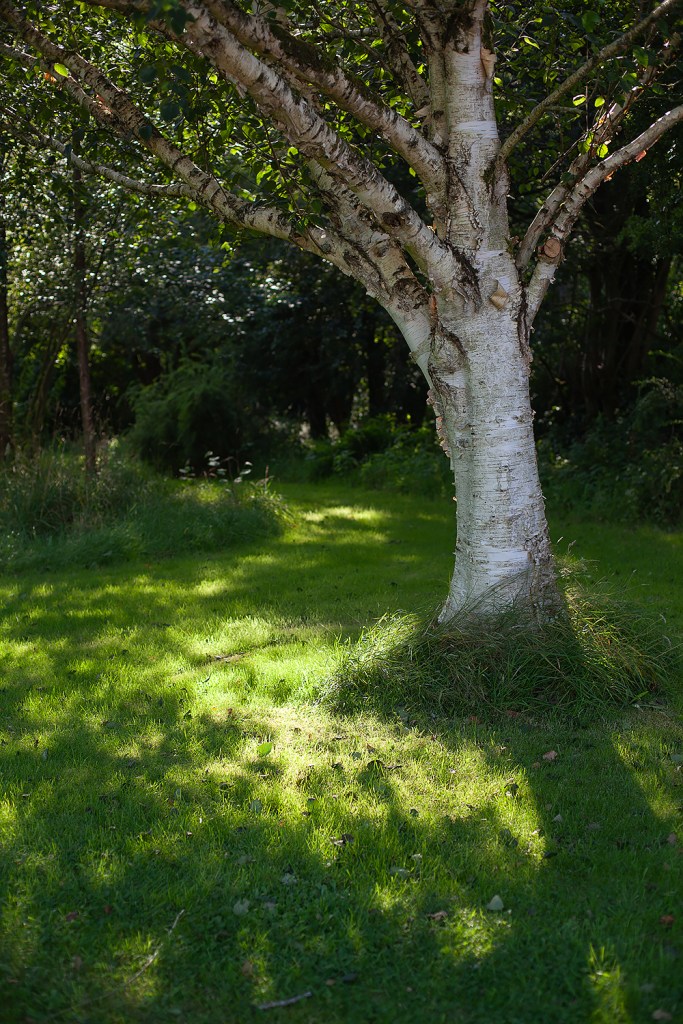


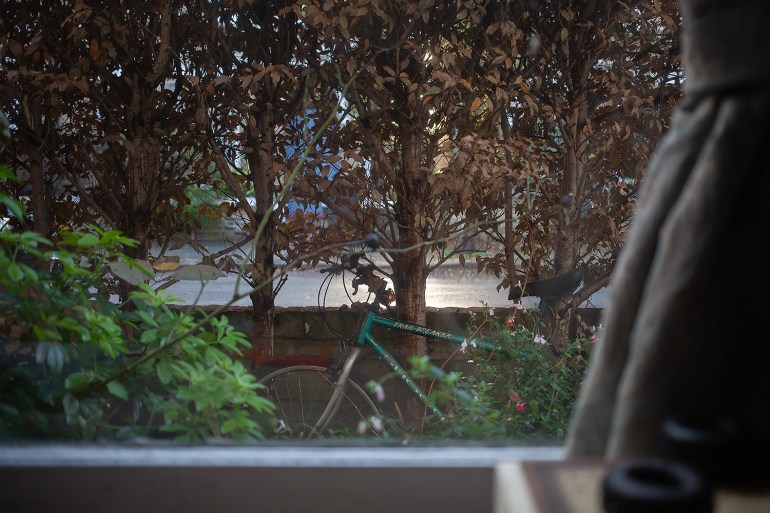
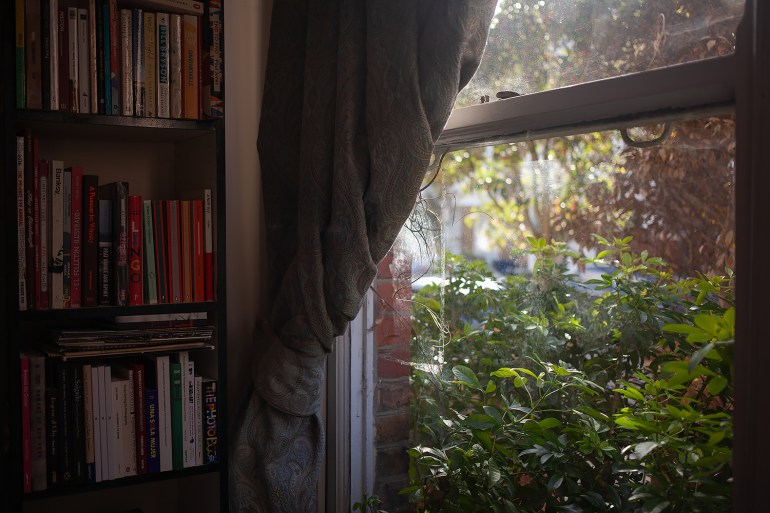
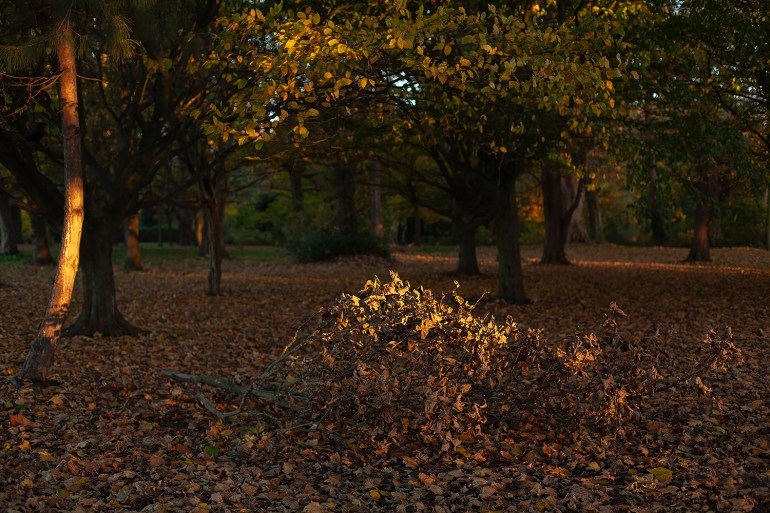
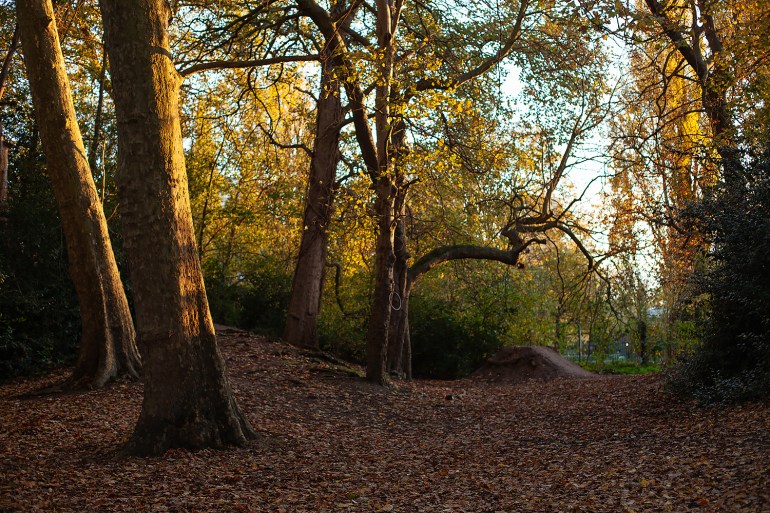


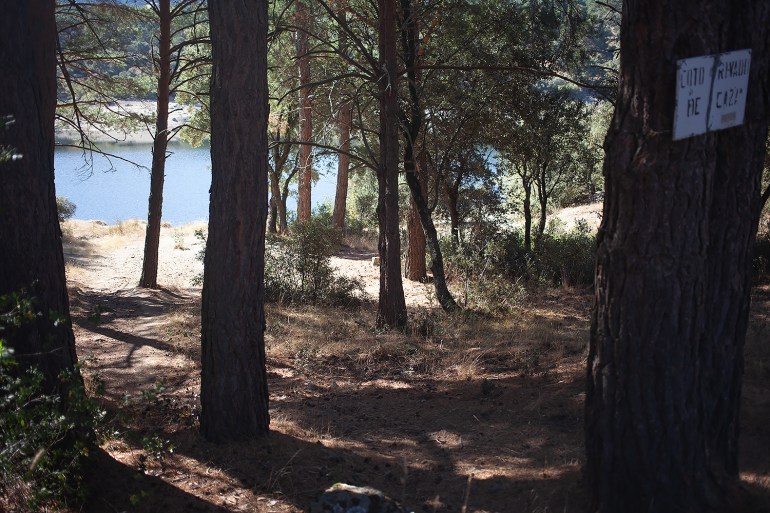
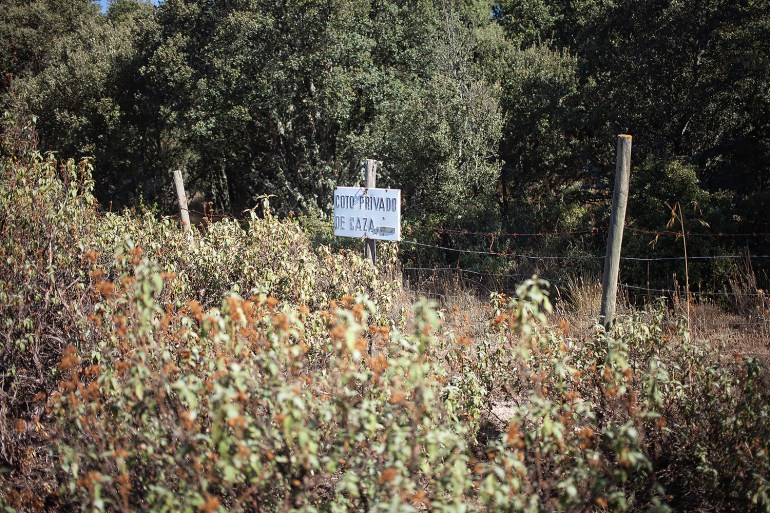
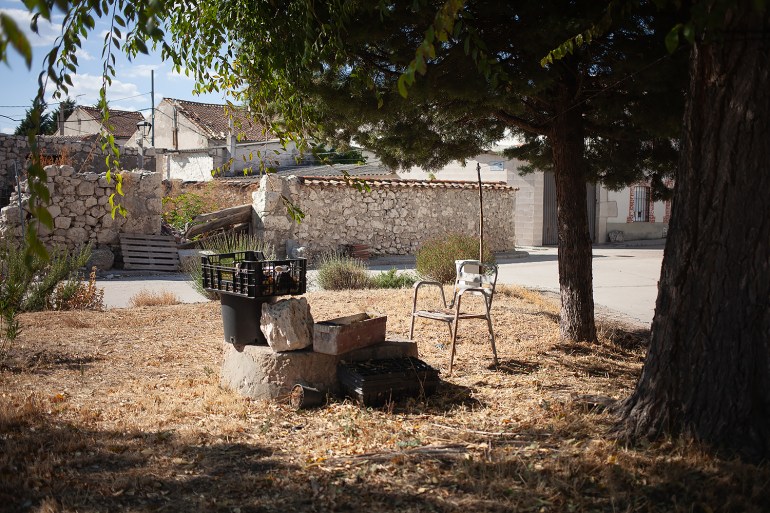
The gallery above is handily bookended by photographs from my two (to date) trips to Spain this year, the first of which was ultimately the catalyst for switching from Black and White earlier in the year … as opposed to any of the pseudo-philosophical nonsense above. This was predicted by a) Nostradamus and b) an earlier post … which also threatened a future post about the (presumably tenuous) relationship between foreign languages and photographic expression … something I’ve failed to expand upon here but have managed to remind myself to do before I forget again and you never get to read these thoughts, as tragic as that would evidently be.
I’ve definitely ended up (at best) answering some very different questions than the one this post set out with the intention of tackling but … maybe the real meaning in my photographic work was the friends we made along the way? Nope, didn’t actually make any of those, either. I don’t know. Don’t do French Philosophy, kids.
Actually, there was some resolution to that several largely unnecessary paragraphs ago – namely that I probably just need to photograph more deliberately and with a clearer focus if I want to make more meaningful work. Or don’t, and continue writing inane drivel on an irregular basis. In conclusion, Libya is a land of contrast.
Boutros, Boutros-Ghali,
Owain.
 Owain Shaw